Category: Anita’s Notes

  • Anjum Hasan at Anita’s Attic, and our first book event

    Season 2 at Anita’s Attic | Week 4

     
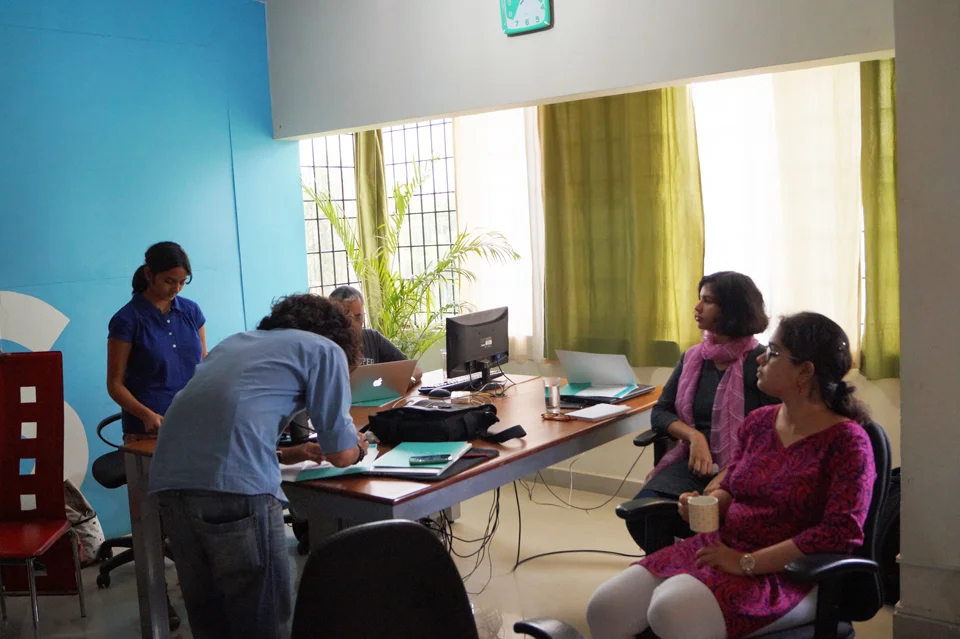
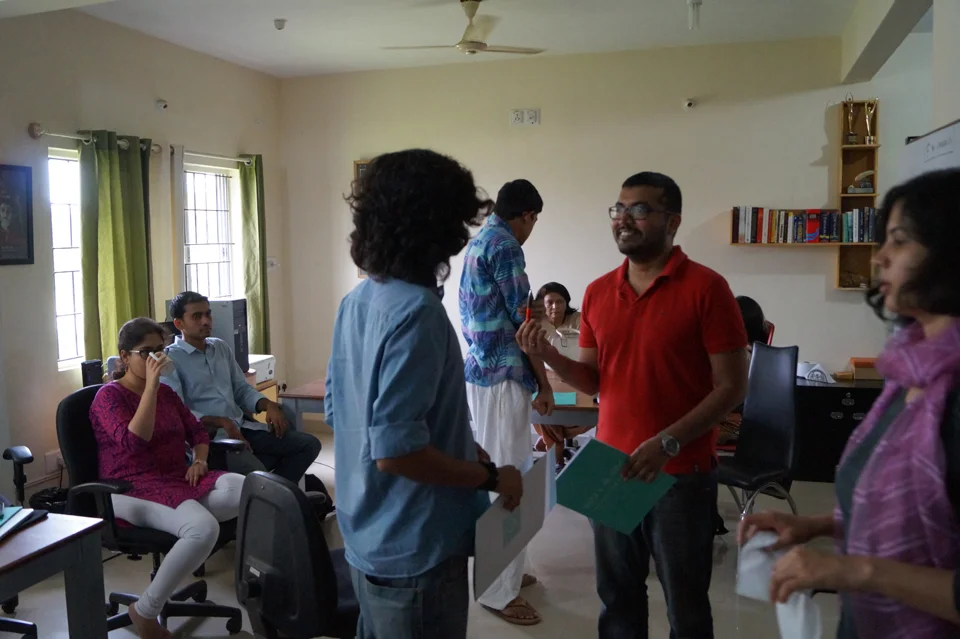
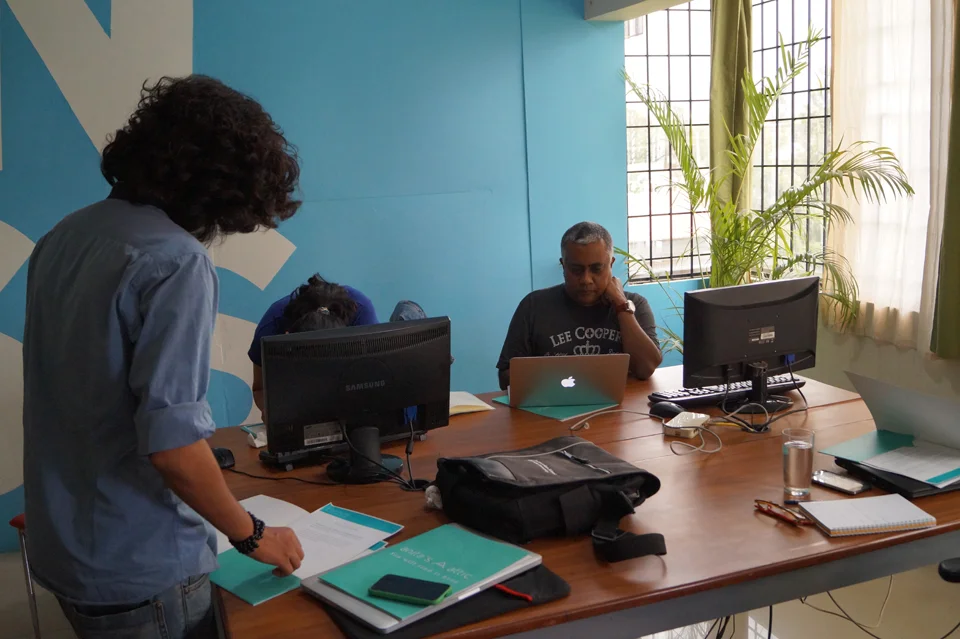
    Every week Anita’s Attic has a speaker who comes in and talks to the writers about what it is to be a writer, an editor, a bookseller or reviewer. This time Anita’s Attic also had its first book event.

    In our fourth week of Season 2, we were delighted and honored to have the much acclaimed writer Anjum Hasan read from her just published novel Cosmopolitans, talk about her journey as a writer and share her insights on the writing process.

    Thank you Anjum Hasan.

  • *conditionsapply speaks about how, for writers, one size doesn’t fit all digital platforms

    Season 2 at Anita’s Attic | Week 3

     
    Once upon a time writers cut their authorly teeth in magazines. We saw the publishing of our stories, essays and poems in publications as the beginning of a literary career. And then the internet happened and a whole new world opened up. The digital space where you could speak your mind, shape your thoughts and find a platform to launch yourself as a writer.

    But how do you create a digital footprint that is followed ? In a universe teeming with Facebook and Twitter users, bloggers and WordPress savants, how do you ensure that your presence is felt ?

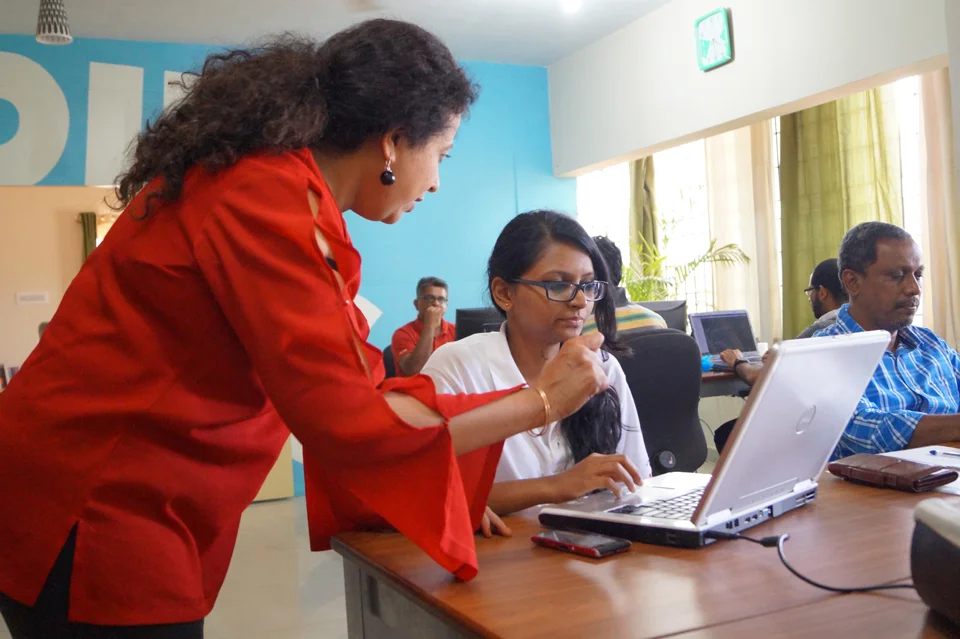
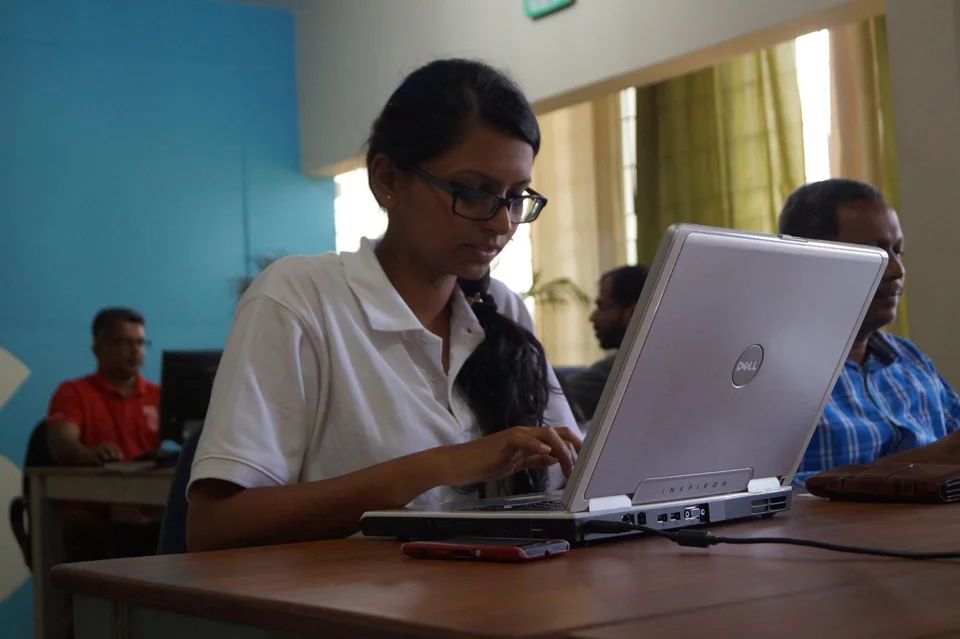
    Which is where Biju Ebenezer, senior member of my digital partners *conditionsapply stepped in. Sharing tips and techniques on how to navigate the digital space with the Season 2 writers at Anita’s Attic.

  • Zac O’Yeah at Anita’s Attic, sets the tone for the Season

    Season 2 at Anita’s Attic | Week 2

     
    The first writer to visit Anita’s Attic usually sets the tone for the particular season, in this case the 2nd Season of Anita’s Attic Creative Writing & Mentorship program. And who better than the uber talented and highly amusing Zac O’Yeah ?

    A travel writer and novelist, Zac O’Yeah has a unique perspective on what it takes to be a writer in India and how to rise above the ordinary and commonplace.

    Thank you Zac. We loved having you!

    Zac at the Bangalore Lit Fest 2014

  • Six Writers from Anita’s Attic get their work showcased in the Criterion International journal

    Anita’s Attic is proud and delighted to have placed the works of six of our writers from Season 1.

    Six voices. Each one distinct and strong. Showcased in the Criterion International journal.

    Writer Title Pages Read the Story
    Akhil Kakkar Marathon 366-370 Click here
    Archana Vijay The Delivery 371-374 Click here
    Harini Rajasekhar The Bathtub 375-377 Click here
    Krupa Ge The Day Alamelu Grew Up 378-380 Click here
    Sathya Ramaganapathy If It’s Dinner, It Must Be Dosa 398-401 Click here
    Swapna Narayanan Mala, Old and Tall 402-405 Click here


    Congratulations !

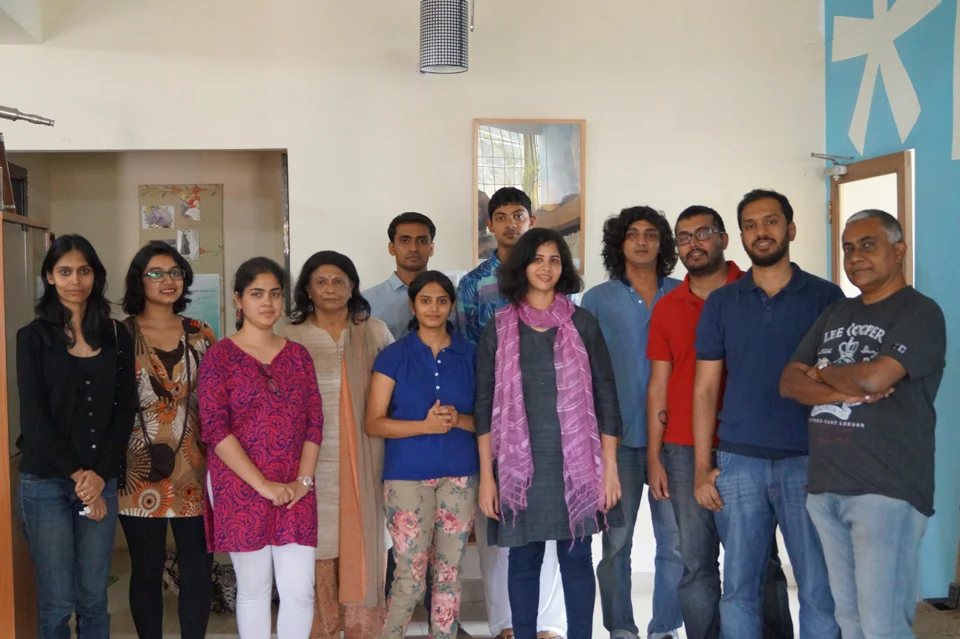
  • Anita’s Attic opened its doors to Season 2 on Teachers’ Day

    And so on Teacher’s Day, Anita’s Attic opened its doors to Season 2

    12 writers from different parts of the city. 12 writers whose reason to write and styles have nothing in common. 12 writers seeking to find an expression for their imagination.

    It will be exciting to see what each of these writers will do with their time at Anita’s Attic.

    It will be interesting to see their voices develop and blossom.

  • La Repubblica carries the Italian version of ‘No Reservations’ on its Front Page

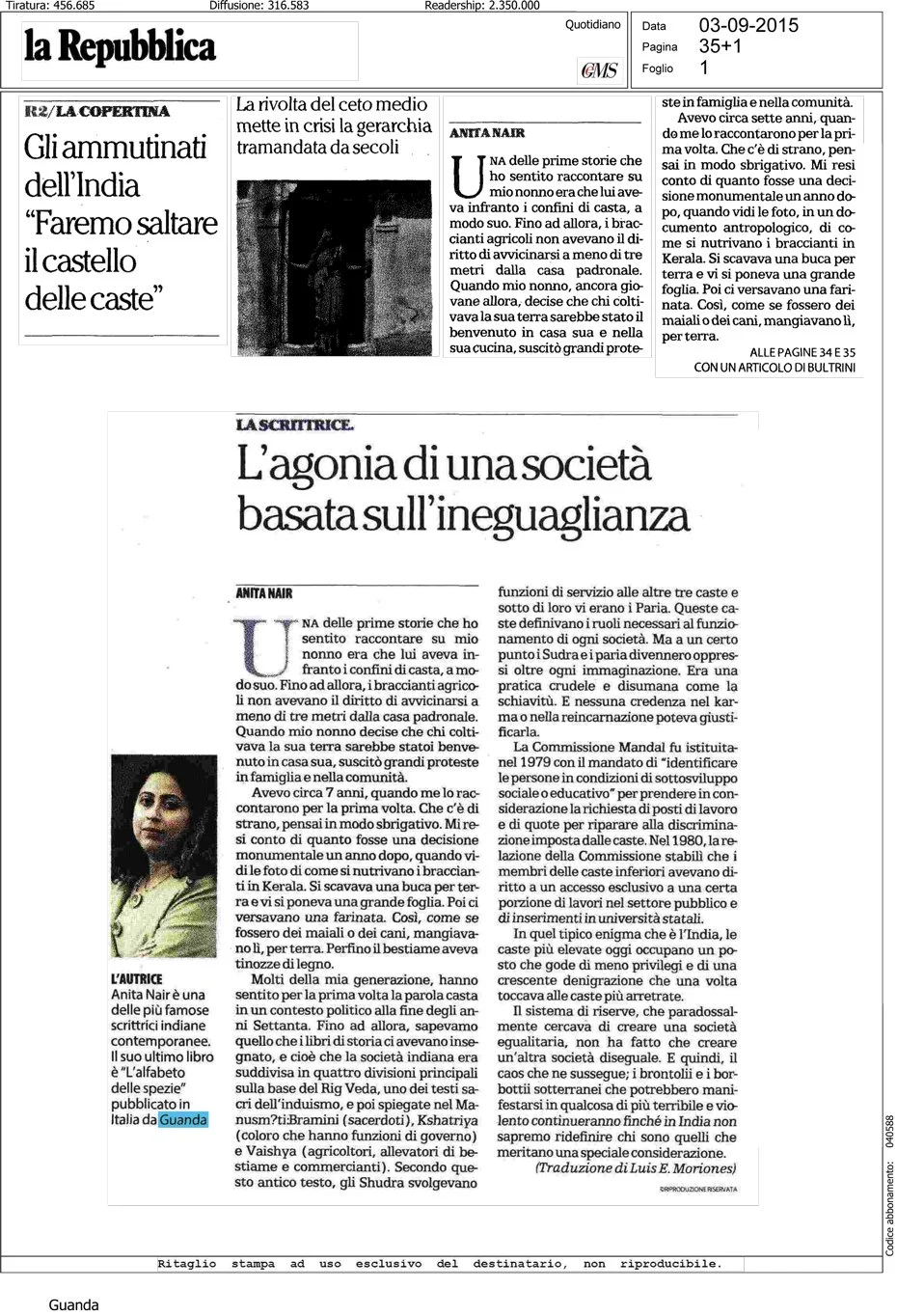
    I am not a political pundit or even qualified to make political commentary. However there are many things that trouble me about our country and its governance. La Repubblica the leading national newspaper in Italy invites me every now and then to express these points of view without mincing my words*. Here is the latest commentary on the reservation policy, Hardik Patel and the off-kilter Indian society.

    *Some of these articles have appeared in English and Malayalam.

    La Repubblica
    English Translation

    One of the earliest stories I heard about my grandfather was how he broke down caste boundaries in his own way. Until then the farmhands were not allowed to come within ten feet of the main house. When my grandfather, still a young man then, decided that those who tilled his land would be welcome in his home and kitchen, it created a furore in the family and community.

    I was about seven when I was first told this. What’s the big deal, I thought dismissively. I realized what a monumental decision it was when a year later I saw pictures in an anthropological document of how the farm hands in Kerala were fed. A hole was dug in the ground and a broad leaf placed in it. Into it gruel was poured. So as though they were swine or dogs, they ate off the ground. For even the cattle had wooden troughs into which their fodder was thrust and water poured.

    Many of us from my generation first heard the word caste in the political context in the late seventies. Until then, we knew what the history books taught us. That the Indian society was divided into four primary divisions based on the Rig veda, one of the sacred texts of Hinduism, and later explained in the Manusmṛti : Brahmins (priests), Kshatriya (those with governing functions) and Vaishya (agriculturalists, cattle rearers and traders). According to this ancient text, the Shudra performed functions of serving the other three and beneath them were the Pariahs. These castes defined the roles required for any society to function. But somewhere along the line, the Sudras and the pariahs became downtrodden beyond belief. They were treated as subhuman creatures and lacking in the sense, sensitivity or sensibility attributed to normal mortal behaviour. It was a cruel and inhuman practise as was slavery. And no belief in karma or reincarnation would justify it.

    The Mandal Commission was established in India in 1979 by the then government with a mandate to “identify the socially or educationally backward to consider the question of seat reservations and quotas for people to redress caste discrimination, and used eleven social, economic, and educational indicators to determine backwardness”. In 1980, the commission’s report affirmed the affirmative action practice under Indian law whereby members of lower castes (known as Other Backward Classes (OBC), Scheduled Castes (SC) and Scheduled Tribes (ST)) were given exclusive access to a certain portion of government jobs and slots in public universities, and recommended changes to these quotas, increasing them by 27% to 50%. Naturally inclusion into the minority and backward caste quota was increasingly sought for its privileges were that many.

    And into this mess stepped the birds of prey – politicians who saw in the caste system an agenda of their own. They knew exactly how to play the caste sentiment to such an extent that people began to vote for people from their own caste no matter how undeserving he or she was. The belief was that the interest of that caste would be best protected if the man at the helm was one of their own. And so once again the society was skewed off kilter.
    In the classic Hindu belief of the Karma chakra, and typical of the conundrum that is India, the forward castes now occupy the place of fewer privileges and increasing denigration that was once the backward castes lot.
    In such a situation the rise of Hardik Patel, a young man in Gujarat demanding the inclusion of the Patel caste into Other Backward Castes and his ability to mobilize a massive six hundred thousand strong crowd at the rally raises questions as to what is the real purpose behind this protest? That there are other communities that mirror the Patels in Gujarat and that Hardik addressed the rally in Hindi which is more widely understood rather than Gujarati make the political pundits believe that what is truly being sought is a recalibration of the reservation system based on economic indices.

    The reservation system that ironically strove to create an equal society has only created yet another unequal society. And hence the subsequent chaos; and the subterranean rumblings and mumblings that may manifest into something else more horrific and violent will continue till such time we in India redefine who are the ones worthy of special consideration.

    Anita Nair is the author of several best selling novels. Her latest novel is L’Alfabeto Delle Spezie published by Guanda.

     

  • Vestin Verghese’s story Gandhi Rocks selected for Sampad’s Anthology

    Vestin Verghese, a vet by profession and a writer by calling, is a voice to watch out for among the writers of Anita’s Attic Season 1.

    His whimsical way of thinking makes him a natural children’s writer. As for his short stories, they are a class apart.

    Naturally, we at Anita’s Attic are very delighted to announce that Vestin’s story Gandhi Rocks  has been accepted by the U.K based Sampad (South Asian Arts Association) for publication in their anthology ‘Inspired by Gandhi‘ based on a competition held in May 2015.

    An Excerpt from the Selected Work

    ‘Ravi Kiran gazed out of the curtain-less tea shop window. He sighed. The grey of the boulder on which the tea shop stood gave way to the vivid green of the estates, and the silver of the water, that surrounded Rockhead Island. Ravi Kiran glanced at the tables…..’

    Congratulations Vestin Verghese….your storytelling rocks!

  • Anita’s Attic has a new, super-efficient editorial assistant

    Harini Rajasekhar was the youngest of the writers of the Season 1 of Anita’s Attic.

    Her writing was characterized by a grittiness remarkable for her age. In fact, she writes with an honesty that I have often wished I would see in established and senior writers. So when Harini wanted to intern with me as an editorial assistant, I was happy to have her.

    And in less than three weeks she has been helping me with book blurbs, interviews and research among other things.

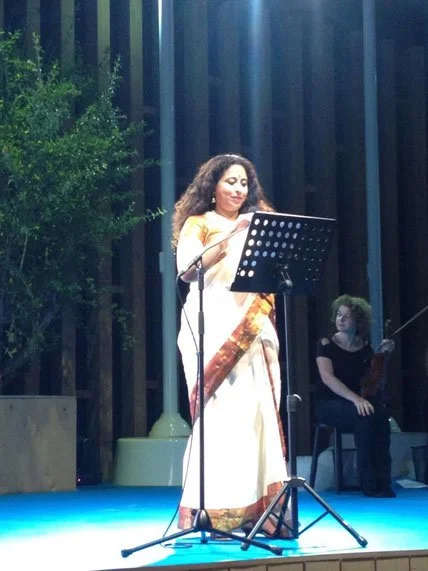
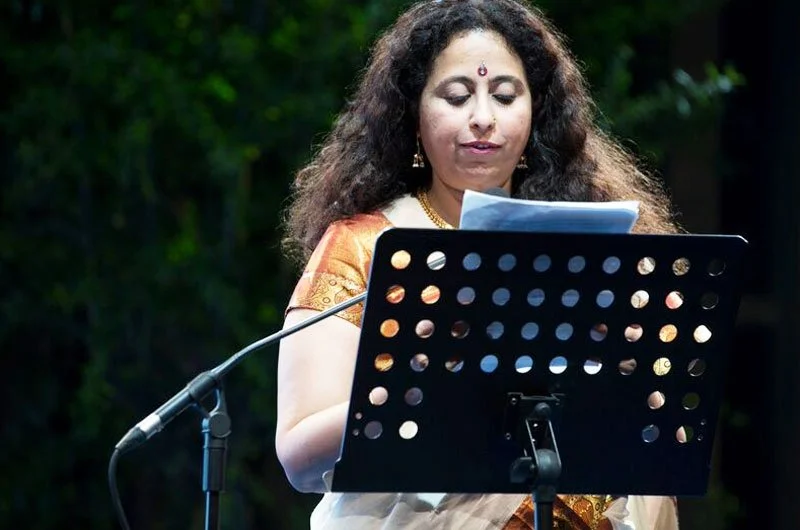
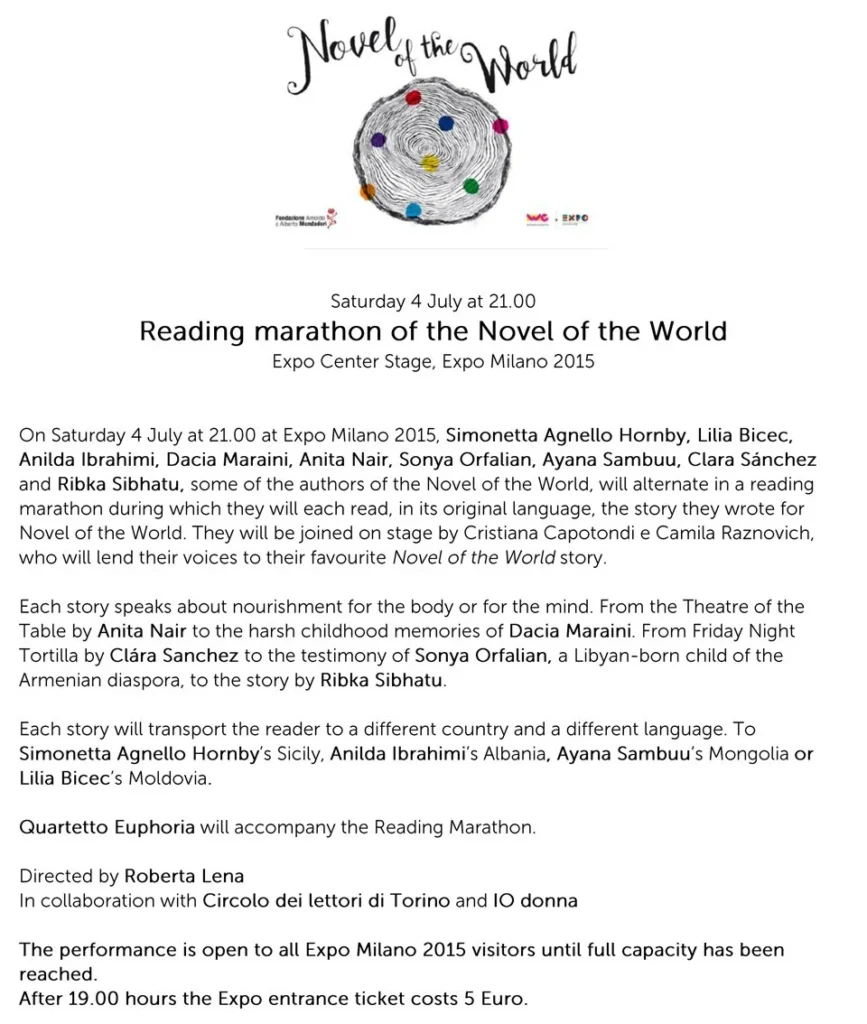
  • The Italian Diary | At the Expo Centre stage for the Novel of the World marathon

    Last year when the Women for Expo reached out to me saying they would like me to be an Ambassador of the project, I really had no idea what it meant. That it was about sustainable food was good enough for me to go forward with the project.

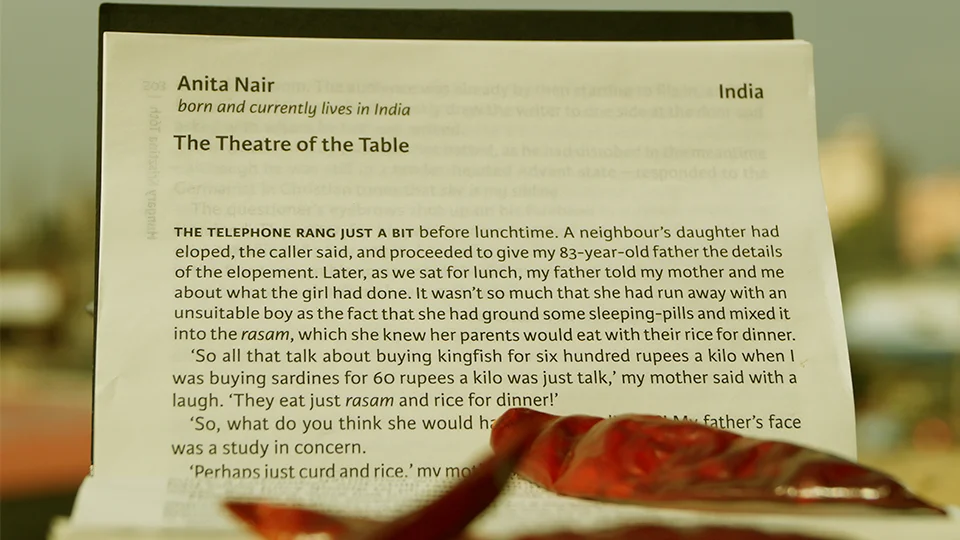
    Then came the proposal to be part of the Novel of the World where 104 writers from 100 countries would write a piece on food in 28 different languages. Yet again I agreed but it was only when I started writing I realized what it was all about and how that short piece led me further to writing a novella which had lain dormant in my head for a long time.

    It was as if The Theater of the Table was the conduit to Alphabet Soup for Lovers [ or L’alfabeto Delle Spezie as it is called in Italian].

    And then came the invitation to the reading marathon where writers and actors would read out pieces from the Novel of the World.

    All through that evening I saw young men and women walk around the Expo holding out individual texts of the writers who had contributed to the Novel of the World asking if they could read aloud a story.

    I saw men and women leave the Expo clutching their copy of the Novel of the World given gratis to anyone who wanted it.

    I saw a celebration of the written word and a focused thought. It felt right. It felt good!

    In Conversation, as part of the Women’s Weeks of Expo Milano 2015